The Relevance of Interactive Tasks in Elementary School Education
Interactive tasks play an essential role in elementary school education. They engage pupils and boost finding out end results. Through group tasks and hands-on experiments, pupils experience the product in a practical way. This approach provides to varied learning styles and promotes essential skills. Nonetheless, the advantages extend beyond academics. Checking out the much deeper influence of these tasks exposes their value in shaping young learners' futures. What improvements happen when students actively get involved?
Enhancing Interaction Through Interactive Discovering
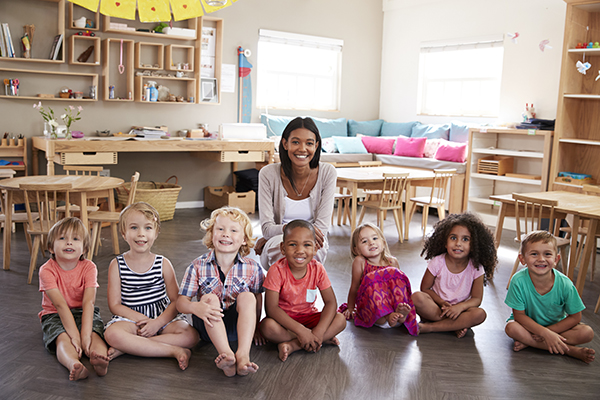
Although typical training techniques have their advantages, interactive knowing significantly boosts pupil involvement in grade college education. This method urges energetic participation, permitting trainees to submerse themselves in the understanding process. By using group activities, hands-on experiments, and technology-driven sources, educators create an atmosphere where trainees feel a lot more connected to the product.
Interactive understanding promotes cooperation among peers, fostering communication abilities and synergy. It also accommodates varied learning styles, guaranteeing that visual, acoustic, and kinesthetic students can all grow. Trainees are more likely to retain info when they proactively take part, as opposed to passively getting knowledge.
This vibrant technique not just makes finding out pleasurable however additionally infuses a feeling of ownership in pupils regarding their educational journey. As they engage with the material, their curiosity and inspiration to find out increase, laying a strong structure for future academic success.
Establishing Critical Thinking Abilities
Interactive knowing not just improves interaction but likewise acts as a catalyst for establishing critical thinking skills in elementary school trainees. Through activities such as problem-based learning, disputes, and hands-on experiments, pupils are urged to evaluate details, assess different perspectives, and formulate reasoned final thoughts. These interactive experiences call for pupils to wonder about presumptions, leading them to think more deeply concerning different topics.

In addition, interactive activities often present real-world circumstances that test students to apply their expertise creatively. By maneuvering through these challenges, they learn to recognize pertinent info and make notified choices. This process fosters not just individual crucial reasoning yet likewise urges students to articulate their assumed procedures, enhancing their capacity to connect successfully. Consequently, interactive discovering settings grow a generation of important thinkers who are better prepared to deal with complex problems in their future scholastic and professional ventures.
Fostering Collaboration Among Peers
Fostering collaboration amongst peers is necessary in grade institution education and learning, as it boosts teamwork and communication abilities. Involving in group activities aids pupils develop count on and regard for each other, preparing for reliable partnership. Moreover, problem-solving with each other permits students to discover from each other and create a collective method to obstacles.
Teamwork and Interaction Skills
Reliable teamwork and communication skills are necessary elements of a successful grade school education and learning. Taking part in interactive activities motivates pupils to team up, share concepts, and address problems together. Such experiences promote the development of important interaction capacities, allowing children to share their ideas plainly and pay attention proactively to others. With synergy, students discover to value diverse viewpoints, fostering a feeling of community and shared responsibility. Structured group tasks, whether in academics or innovative tasks, boost peer interactions, showing kids just how to negotiate roles and fix conflicts. These abilities not only add to a positive classroom atmosphere however also prepare students for future joint ventures in greater education and learning and the office. On the whole, teamwork and communication are foundational to holistic growth in elementary school.
Structure Trust Fund and Regard
Structure trust fund and regard among peers acts as a keystone for effective collaboration in elementary school atmospheres. They are extra most likely to engage actively in group activities when trainees feel valued and appreciated by their schoolmates. Interactive tasks, such as team tasks and cooperative video games, supply opportunities for students to gain from one an additional, promoting a feeling of neighborhood. This atmosphere urges open interaction, allowing trainees to reveal their concepts and viewpoints without anxiety of judgment. As trust fund develops, students become extra eager to share responsibilities and support each various other's learning. Inevitably, growing an ambience of trust fund and regard boosts not just academic end results yet likewise social growth, furnishing trainees news with essential social abilities for their future ventures.
Problem-Solving Together
Joint analytic involves trainees in vital thinking and team effort, vital abilities for their personal and scholastic development. When pupils collaborate to take on difficulties, they find out to communicate efficiently, regard diverse point of views, and leverage each various other's staminas. This process boosts their capability to assess issues from various angles and create imaginative solutions. Team activities, such as science experiments or math challenges, promote energetic participation and foster a feeling of community. As trainees work together, they likewise build social skills, learning to negotiate and jeopardize, which are important for future communications. Ultimately, problem-solving with each other grows a helpful understanding atmosphere, empowering pupils to take ownership of their education and learning while preparing them for joint endeavors beyond the class.
Encouraging Creativity and Innovation
Encouraging creativity and development in grade school education can be considerably improved through hands-on knowing experiences. These tasks allow students to engage directly with principles and materials, cultivating creative thinking. Furthermore, collaborative team jobs can stimulate varied concepts and solutions, further nurturing an imaginative setting.
Hands-On Knowing Knowledge
A multitude of hands-on learning experiences significantly enhances creative thinking and development in elementary school education. Involving trainees in sensible activities allows them to apply theoretical knowledge in real-world contexts, promoting deeper understanding. By adjusting devices and materials, children create critical analytic abilities and find out to believe outside the box. These experiences inspire inquisitiveness and inspire trainees to explore their rate of interests even more. In addition, hands-on tasks can link different subjects, linking science, art, and mathematics in significant methods. This interdisciplinary technique encourages pupils to see links and assume artistically. Inevitably, hands-on learning experiences nurture a generation of trendsetters, furnishing them with the abilities and self-confidence needed to tackle future obstacles and add to culture in special means.
Collaborative Group Projects
Hands-on knowing experiences naturally lead to the incorporation of collaborative group view it jobs, which play an essential role in promoting creative thinking and innovation in elementary school education. These jobs motivate trainees to collaborate, sharing concepts and viewpoints, which improves problem-solving skills and important reasoning. Via collaboration, trainees learn to communicate effectively and respect diverse viewpoints, important skills for their future. In addition, team tasks supply opportunities for students to experiment with different functions, raising their flexibility and self-confidence. Taking part in this participating setting permits them to discover their imagination, pushing the borders of standard learning. Ultimately, collective team projects not just enhance the instructional experience yet additionally prepare trainees for real-world difficulties that need synergy and innovative thinking.
Structure Self-confidence and Self-reliance
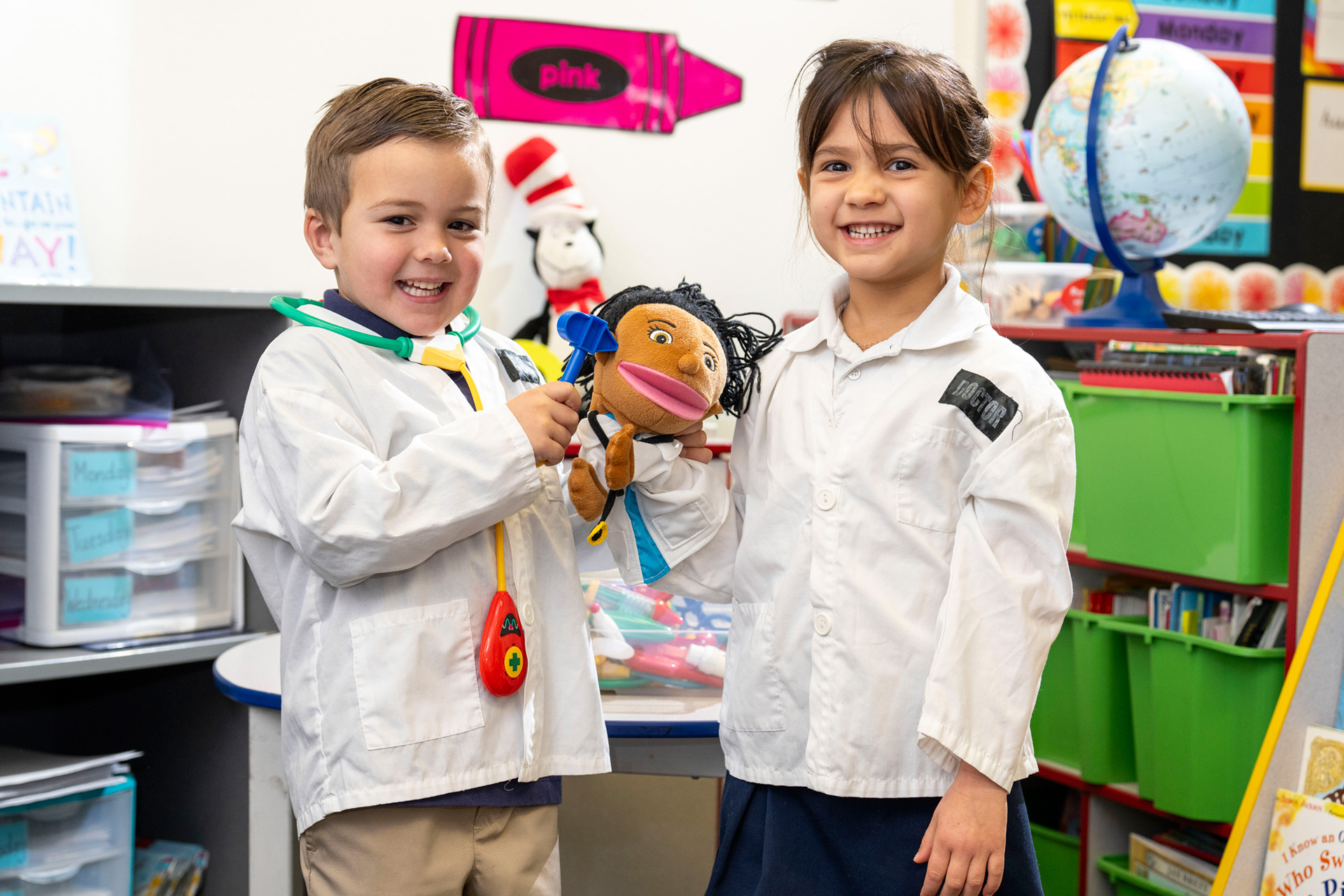
As trainees participate in interactive activities, they frequently discover possibilities to build self-confidence and self-reliance. These activities, whether they entail hands-on jobs, role-playing, or problem-solving jobs, motivate students to take campaign and reveal their ideas openly. By getting involved in such experiences, pupils discover to trust their abilities and make choices without relying solely on advice from educators or peers.
Additionally, interactive tasks cultivate a sense of ownership over understanding. They develop important thinking skills and strength when students deal with obstacles collaboratively or independently. This procedure not just boosts their understanding of the subject matter however additionally equips them to take threats in their understanding trip.
As they browse various interactive situations, trainees progressively lost their insecurity, leading the way for enhanced self-worth - Private School. Inevitably, these tasks play a vital duty in supporting independent and certain students, outfitted to encounter future scholastic and individual challenges
Creating a Positive Classroom Environment
While promoting a favorable class atmosphere is important for effective learning, it needs deliberate initiative from instructors to create a space where students really feel secure, highly regarded, and engaged. A positive atmosphere encourages partnership, allowing trainees to share themselves without worry of judgment.
Educators can achieve this by developing clear expectations, promoting mutual respect, and recognizing individual contributions. Including interactive tasks additionally enhances engagement, making discovering a lot more dynamic and delightful.
Furthermore, a nurturing setting supports social-emotional growth, as pupils discover to navigate relationships and resolve disputes. Teachers play a vital function in modeling positive habits and strengthening a culture of generosity and inclusivity.
Frequently Asked Inquiries
Just How Can Moms And Dads Support Interactive Knowing at Home?
Moms and dads can support informative post interactive knowing at home by giving appealing materials, encouraging hands-on tasks, including academic games, fostering discussions, and producing a nurturing environment that advertises curiosity and expedition in their children's finding out experiences. (Private Grade School Peoria)
What Kinds Of Interactive Activities Are Most Efficient?
Hands-on jobs, collective video games, role-playing scenarios, and instructional innovation applications are among one of the most effective interactive activities. These involve trainees, enhance critical thinking abilities, and promote team effort, inevitably promoting a deeper understanding of various subjects.
How Do Interactive Activities Satisfy Different Knowing Styles?
Interactive tasks involve aesthetic, acoustic, and kinesthetic students by integrating diverse techniques. These activities help with recognizing with hands-on experiences, collaborative conversations, and aesthetic help, permitting students to take in information according to their favored learning style.
What Are the Expenses Related To Executing Interactive Tasks?
Implementing interactive tasks incurs costs such as materials, training for teachers, technology upgrades, and prospective center adjustments. Spending plan constraints can likewise influence the regularity and selection of activities offered to trainees in academic setups.
How Can Teachers Evaluate the Effect of Interactive Understanding?
Teachers can assess the influence of interactive understanding via observations, student responses, efficiency metrics, and relative evaluation of test ratings prior to and after execution, guaranteeing a comprehensive understanding of involvement and understanding retention improvements.
Via activities such as problem-based learning, debates, and hands-on experiments, students are motivated to evaluate information, evaluate different perspectives, and formulate reasoned conclusions. Interactive tasks frequently present real-world scenarios that challenge pupils to use their understanding artistically. Involving in interactive tasks urges pupils to collaborate, share concepts, and fix troubles with each other. Interactive activities, such as group projects and cooperative video games, supply opportunities for students to discover from one an additional, fostering a feeling of community. As trainees engage in interactive activities, they frequently discover possibilities to construct confidence and freedom.
Comments on “Storytelling workshops that build confidence in Grade School students”